
Fragrance and cosmetics
From the trail of a perfume to ingredients studied for skin care.
Oud remains above all an exceptional scent material. Oils, wood extracts and Aquilaria leaves are also opening research paths for skincare, personal care and wellbeing.
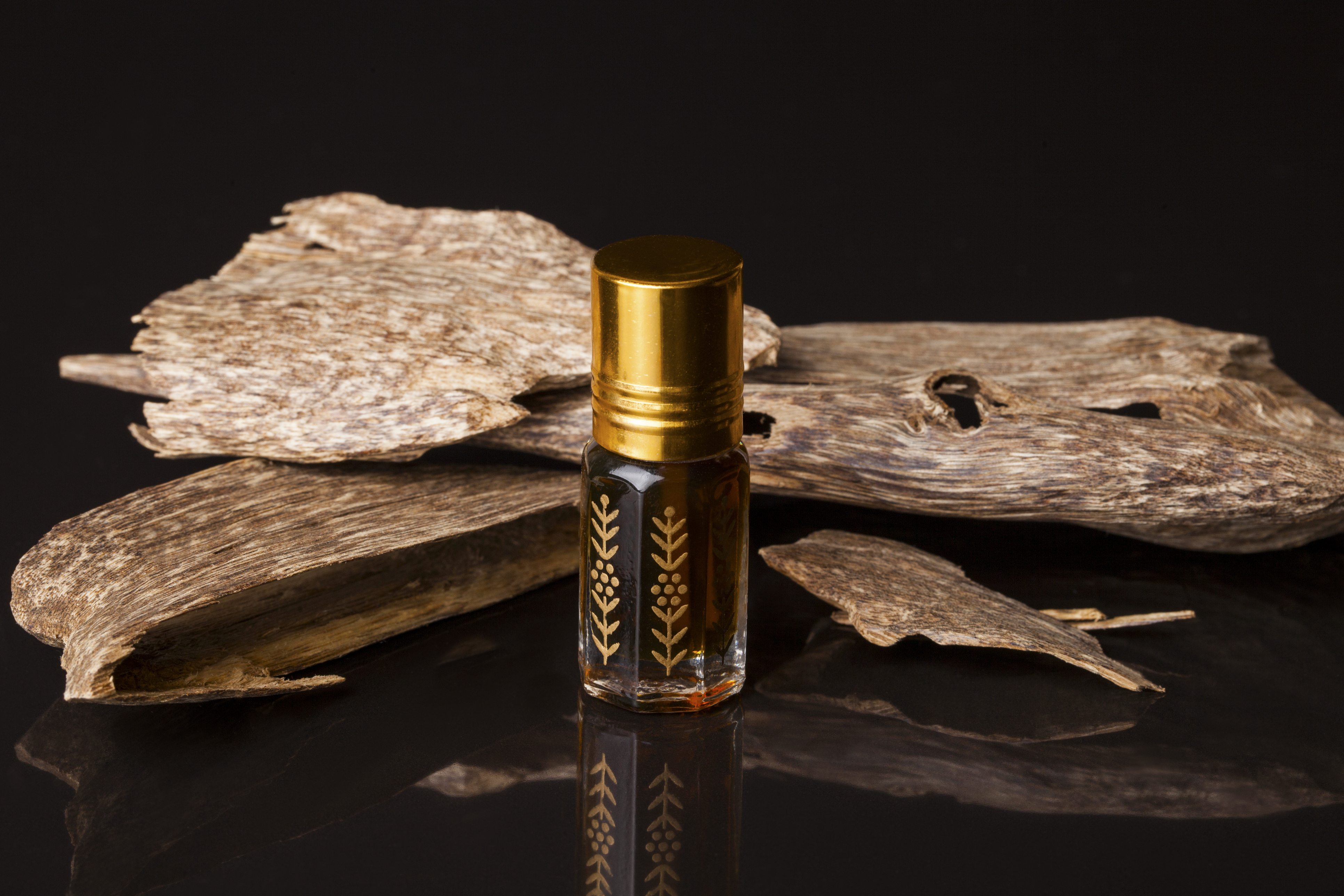
Fine fragrance
A base material that brings depth and persistence.
Oud oil can smell woody, smoky, leathery, animalic, honeyed, fruity or medicinal depending on species, origin and distillation. Sesquiterpenes strongly shape its signature, while chromones contribute to notes released when wood is heated.
Perfumes may use natural oil, fractions, extracts or reconstructed accords. A reconstructed note is not inherently misleading, but brands should distinguish an olfactory idea from authenticated natural material.
Skincare
Real potential, but evidence remains mainly preclinical.
Some Aquilaria leaf extracts show antioxidant activity associated with flavonoids and phenolic acids. Anti-inflammatory and antimicrobial properties are also explored. These findings justify ingredient research but do not by themselves prove anti-ageing effects in people.
Development requires species and plant-part identification, extract standardisation, stability, cytotoxicity, irritation and exposure assessment. Fragrant oil and leaf extract are different materials with different functions and safety dossiers.
Premium fragrance or a standardised extract to assess.
Scent, rinse-off exposure and stability.
Wood extracts appear in ingredient inventories.
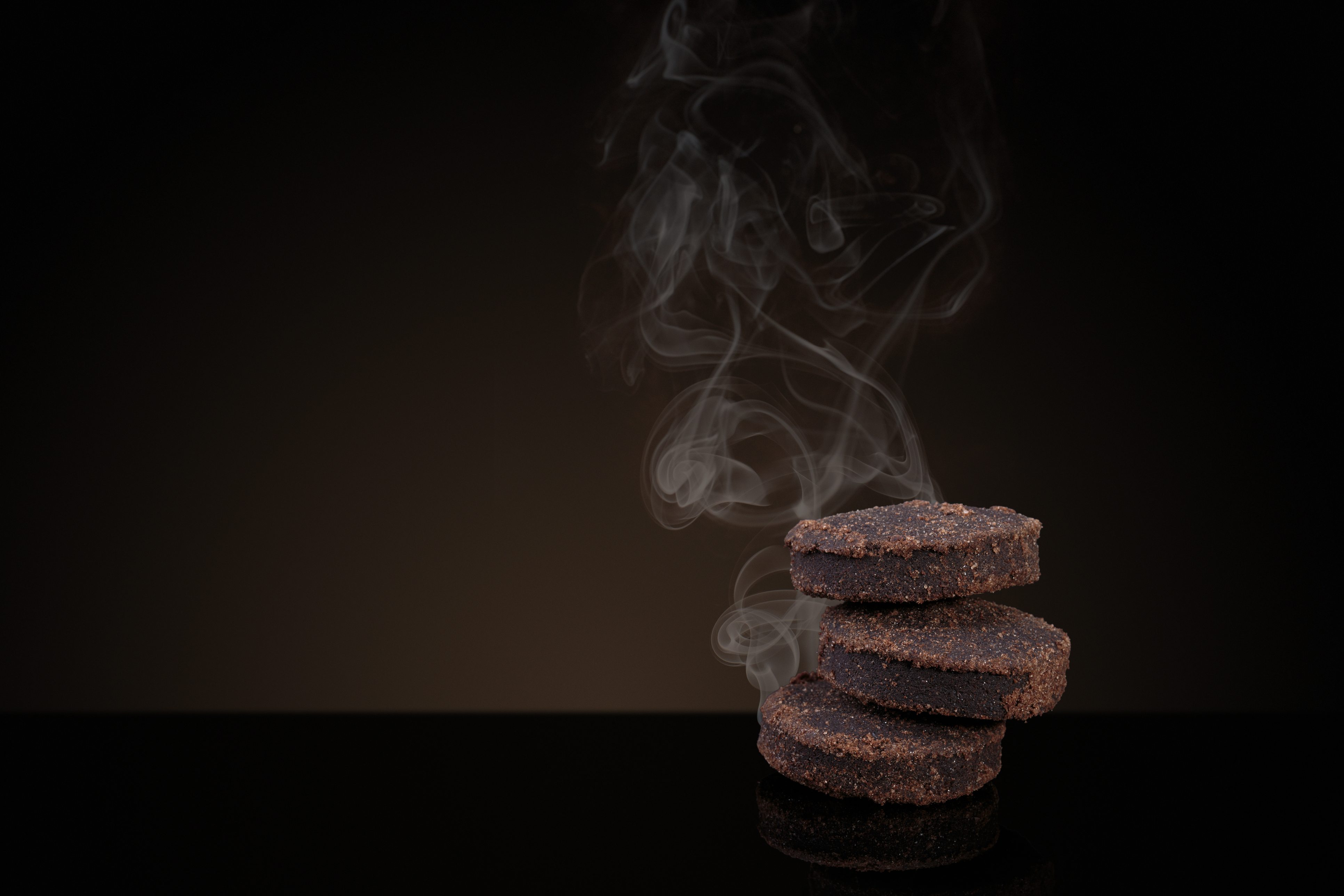
Wellbeing
Ritual and spa experiences without medical overclaiming.
Oud has a powerful cultural and emotional dimension. It can enrich massage oils, spa rituals, candles, incense and home fragrance. Preclinical research explores nervous-system effects, but therapeutic claims must remain separate from sensory experience.
The strongest positioning combines provenance, scent quality, gesture and traceability, without promising treatment of stress, insomnia or ageing without adequate clinical evidence.
Product development
From rare material to a reproducible formula.
A cosmetic house needs more than a beautiful oil: composition must be sufficiently consistent, adulteration controlled, volumes secured and every batch compliant. GC-MS, organoleptic criteria, reference chromatograms and retained samples can form a control system.
The European CosIng database is an inventory of ingredient names, not an approval or proof of safety. The manufacturer remains responsible for product assessment, restrictions and claims.
Origin, species, plant part and process.
Chemistry, scent, contaminants and stability.
Tolerance, exposure and regulatory file.
Claims proportionate to available tests.
Scientific and institutional sources