
Cultivation and induction
Planting a tree is only the beginning. Building a supply chain takes years.
Final quality depends on agronomy, induction, tree health, maturation time and every processing decision made after harvest.
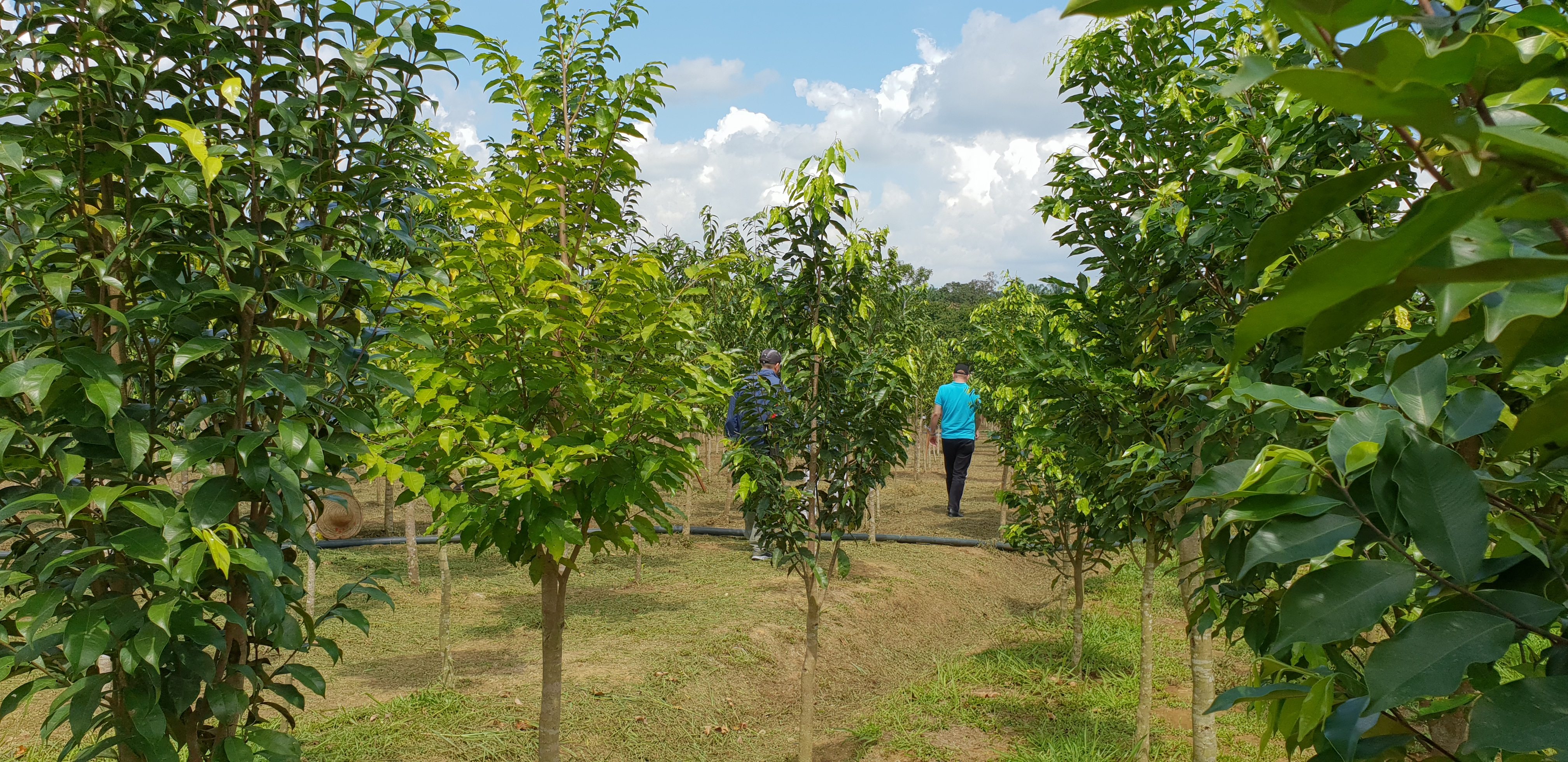
Establishment
The site determines part of the outcome.
Successful plantations match species to climate, rainfall, drainage and soil. Density must allow monitoring and future induction work. Genetic diversity and seedling quality matter more than simply maximising tree numbers.
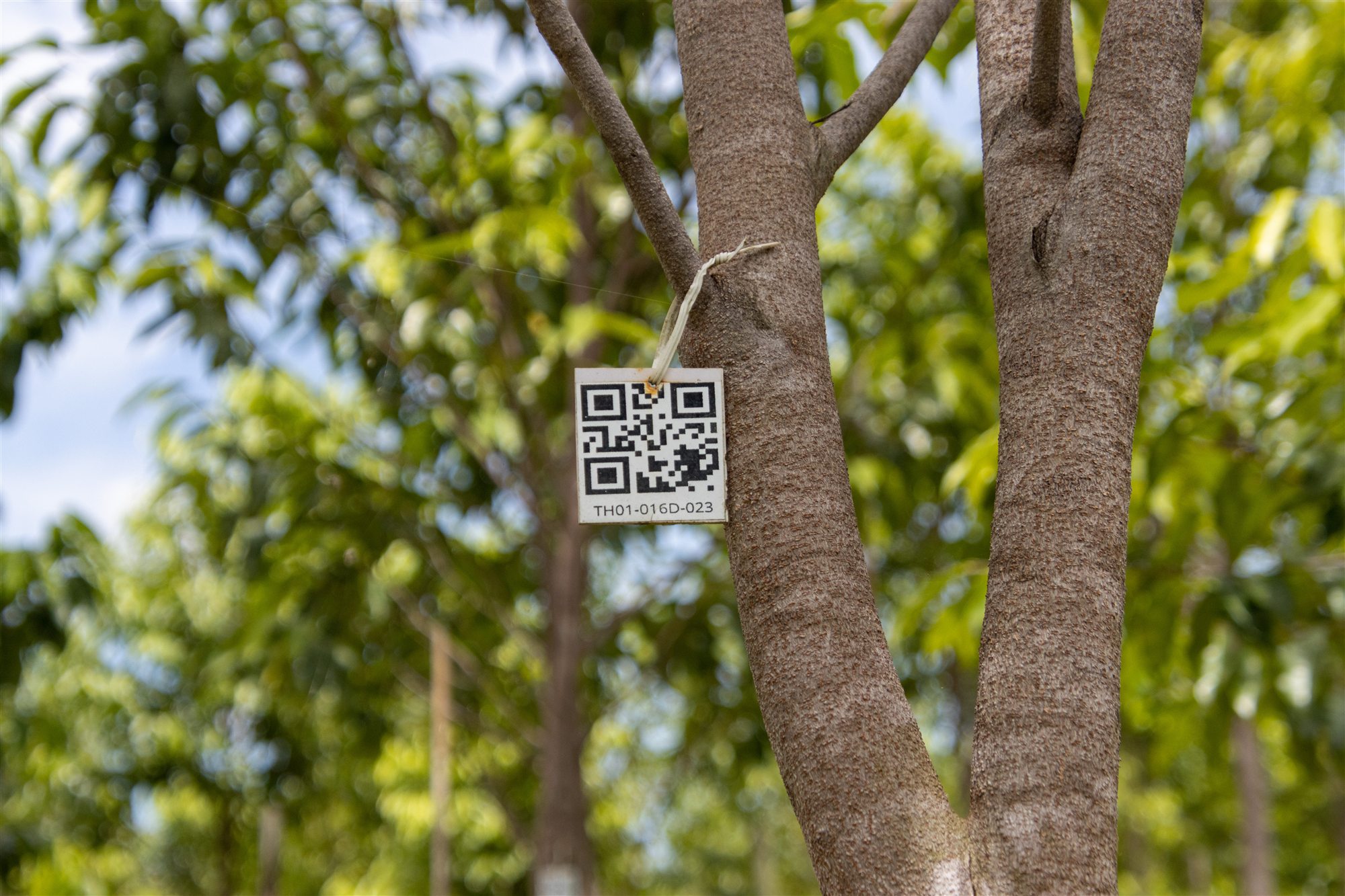
Early years establish steady growth, tree form and plant health. Plot registers, dated photographs and individual identifiers already create the foundation of traceability.
Induction
Trigger resin without exhausting the tree.
Mechanical wounds are straightforward but may remain local. Biological approaches use microorganisms or metabolites. Chemical formulations seek wider diffusion, and combined methods aim for consistency.
Methods should be judged through survival, resinous area, aromatic composition, intervention cost and repeatability, not through a headline success rate alone.
Incisions or drilling; easy visual control.
Complex interaction with inocula.
Potentially broad diffusion; protocol must be recorded.
Harvest and processing
Value is also created after felling.
Harvest timing balances capital, tree health and resin maturation. Wood is cleaned and sorted for burning, carving, powder or distillation.
Particle size, soaking, possible fermentation, still design and distillation fractions all change the oil. Every parameter should remain attached to the batch number.
Scientific and institutional sources